Before you continue
This article discusses the death of a parent through violence. It touches on fear, hypervigilance, and the silence that can surround violent loss. Read at your own pace, and step away whenever you need to.
What Violent Loss Can Do to a Child's Sense of Safety
When a parent dies by violence, the child grieves more than absence. The way the parent was taken can change how the child understands safety, trust, danger, and the world around them. This article speaks from lived experience about how violent loss can create fear, watchfulness, silence, and a deeper need for steady adult support.
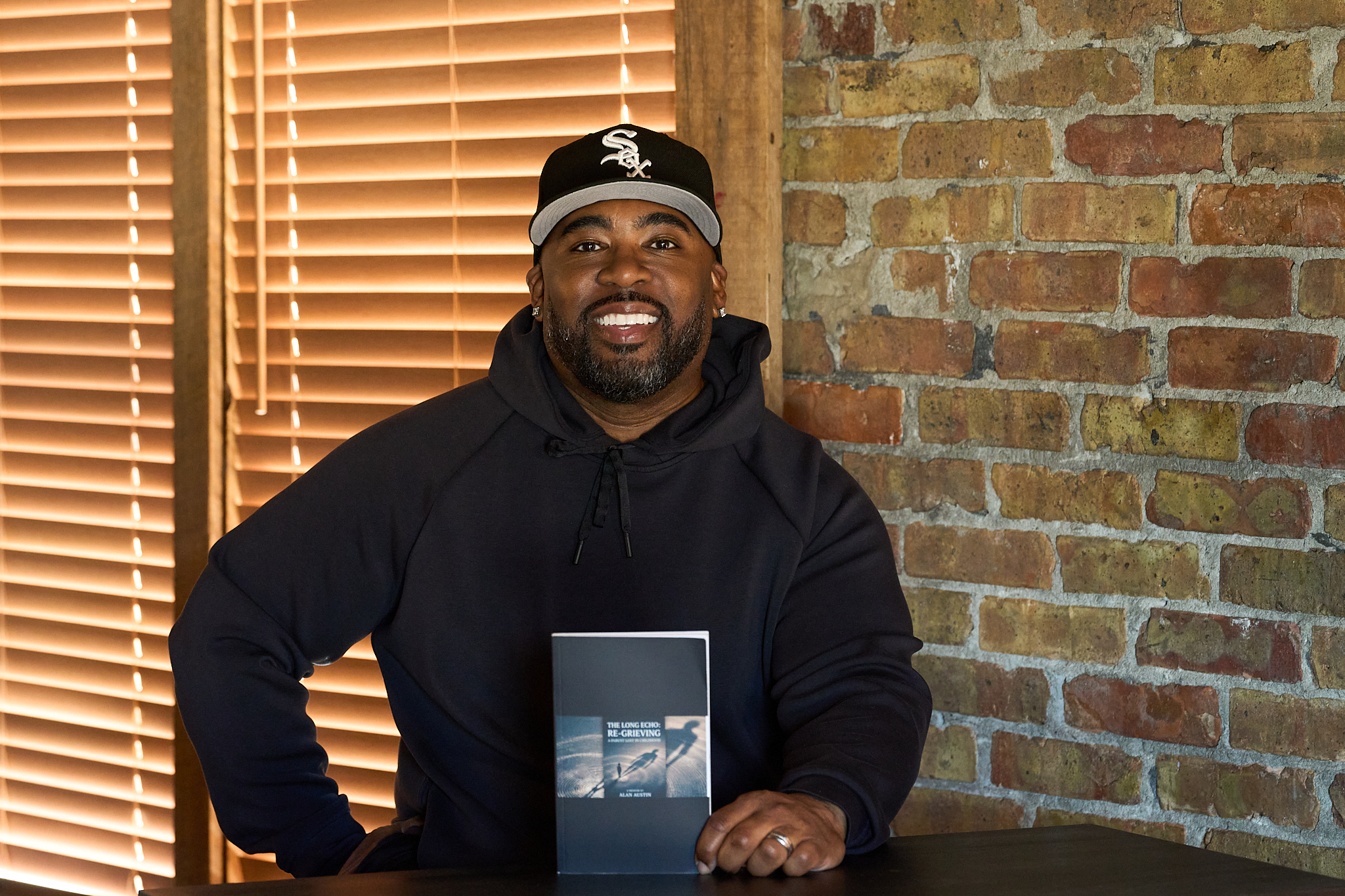
Written by Alan Austin
Alan lost his father in childhood. He writes from lived experience so grieving children can be recognized early.
Last reviewed September 28, 2026
Prefer to listen?
Narrated by Alan Austin.
Quick Answer
Lived ExperienceViolent loss adds human harm to absence, and it can change how a child understands safety, trust, and danger. Meet watchfulness as protection rather than misbehavior, offer age-appropriate honesty instead of secrecy, and say clearly that the violence was not the child's fault.
Key Takeaways
- Violent loss adds human harm to absence. The child grieves both the parent and the way the parent was taken.
- Watchfulness and startle are often grief in the shape of protection. Ask what the child has learned about danger instead of correcting symptoms.
- Secrecy can burden more than truth. Children fill silence with imagination, so offer safe, age-appropriate honesty.
- Say clearly that the violence was not the child's fault and was never their job to stop.
Educational, not clinical. The Long Echo Project is not therapy, diagnosis, clinical care, or emergency support. Alan speaks from lived experience, authorship, fatherhood, cultural understanding, and long-term reflection. Research may be referenced where appropriate but does not replace licensed mental health care.
When a parent dies by violence, the child grieves more than absence.
The death itself becomes part of what the child carries. Not only the missing parent, but the way the parent was taken. The act enters the child's understanding of the world.
Safety can stop feeling natural. Trust can become harder. Ordinary places may feel less ordinary than they did before.
My father was killed by violence.
As a child, I did not have language for what that did to me. I only knew the world felt different after he was gone. People could talk about death, heaven, funerals, and moving forward, but there was another part of the loss living underneath all of that.
Someone had done this.
That knowledge changes a child.
When Violence Enters the Loss
A parent can die suddenly without violence. That kind of loss carries shock, confusion, and the pain of having no time to prepare.
carries those things too, but it adds another weight.
The child has to live with the fact that harm reached the parent. Depending on what the child knows, saw, heard, or later learned, the death may feel less like life breaking and more like danger entering the family.
That distinction matters.
Caregivers may focus on the grief of the parent being gone, while the child is also trying to understand the violence that made them gone. Even when adults avoid details, children often sense more than people think.
They hear fragments. They notice faces. They feel the way a room changes when certain parts of the story are avoided.
Silence does not always protect the child.
Sometimes it leaves them alone with imagination.
The Fear That It Could Happen Again
can teach a child that terrible things are possible.
Once that lesson enters the body, the child may begin watching the world differently. Places that once felt normal can become uncertain. Loud sounds may carry new meaning. A delayed phone call can feel larger than it should.
Someone standing too close, moving too fast, or speaking with the wrong tone may pull the child into alertness before they understand why.
This kind of fear is not chosen.
It is the mind and body trying to prevent another wound.
I carried that for years. I scanned rooms. I read faces. I paid attention to moods, movement, silence, and danger I could not always name.
The funeral ended, but my sense of safety did not simply return because everyone else had resumed life.
That is one of the hardest parts to explain.
The world may expect the child to keep living normally, while the child is quietly learning that normal can be interrupted without warning.
Hypervigilance Can Be Grief
The word can sound clinical, but the experience is simple to recognize.
A child may seem watchful, tense, easily startled, suspicious, restless, or unable to relax. They may need to know where people are. Separation may become harder. Safety routines can start to matter in ways that look excessive from the outside.
Adults may call the child nervous, dramatic, difficult, or overly sensitive.
A better first question is: what has this child learned about danger?
After , watchfulness can be grief wearing the shape of protection. The child is not trying to be difficult. They may be trying to live in a world that no longer feels dependable.
Correcting the behavior without understanding the wound can make the child feel even more alone.
A caregiver does not have to diagnose anything to respond better. Attention, steadiness, and patience matter. So does the willingness to say, “I understand why safety may feel different now.”
The Silence Around Violence
often creates a deeper silence because adults are afraid of the details.
That fear is understandable. No caregiver wants to place more pain on a child. But avoidance can create another kind of burden.
The child may know enough to be afraid but not enough to understand what happened. They may feel the violence in the family atmosphere without being given safe language for it.
Children fill empty spaces.
When honest language is missing, imagination often becomes heavier than the truth. The child may wonder whether the same thing could happen again. They may wonder who did it, why it happened, whether the parent suffered, whether they were supposed to stop it, or whether the family is still in danger.
Those questions may never be asked out loud.
Some children stay quiet because they sense the adults cannot bear the conversation. Others protect the adults by pretending not to need answers.
That kind of silence can look like strength.
It may be fear.
Sudden Loss and Violent Loss Are Not the Same
All is serious. Sudden loss is painful because life changes without warning. The child does not get preparation, gradual understanding, or a final goodbye.
adds the presence of human harm.
That difference can shape how the child understands the world. The grief is attached not only to death, but to threat. The missing parent becomes connected to danger, injustice, unanswered questions, and sometimes anger that has nowhere safe to go.
This does not mean every child responds the same way.
Some will talk. Some will shut down. Others will become angry, anxious, guarded, or unusually composed. The response depends on age, support, temperament, family stability, what the child knows, and how the adults around them handle the truth.
Still, caregivers should not treat as ordinary grief with a harder story attached.
It can reach deeper into the child's sense of safety.
What Caregivers Can Say
A child affected by needs truth handled with care.
Not graphic detail. Not secrecy disguised as protection. Not forced conversations before the child is ready.
Caregivers can begin with language that gives the child permission to name fear without being overwhelmed by it.
“You may feel less safe after what happened. That makes sense. We are going to keep talking about safety together.”
Or:
“You do not have to ask every question today. When questions come, I want you to know we can talk about them.”
Or:
“What happened was not your fault. It was not your job to stop it. You are still allowed to be a child.”
That last sentence matters.
can make a child feel responsible for understanding adult danger. They may start carrying concerns too large for their age. A steady adult can help place that weight back where it belongs.
Children need protection, but they also need honesty. The balance is difficult, but silence alone is not enough.
The Long Echo of Safety
can follow a person long after childhood.
The fear may not stay loud, but it can become part of how the survivor moves. It can affect trust, relationships, fatherhood, faith, anger, decision-making, and the way they imagine the future. A person may become dependable, observant, cautious, and hard to surprise, while never realizing how much of that posture began with early fear.
I have lived with that echo.
There were moments when I thought I was simply being careful. Later, I understood that some of my carefulness came from a child who learned too early that danger was real. That child kept trying to protect me long after I became a man.
The body remembers what the mind could not explain at the time.
This is why caregivers should pay attention early. Not to label the child. Not to make every behavior about trauma. The point is to notice when fear has become part of how the child is learning to live.
What Recognition Can Change
The Long Echo Project exists because can shape a child in ways adults may not see.
The child may look composed. They may return to school. They may laugh, play, and follow directions. Beneath that functioning, safety may feel broken in ways they cannot explain.
Recognition cannot undo the violence.
It cannot return the parent. It cannot answer every question. It does not replace therapy, crisis care, or licensed support when a child needs more help than family can provide.
But recognition can keep fear from being mistaken for personality.
It can help caregivers respond with steadiness instead of dismissal. It can help adult survivors look back and understand that their watchfulness was not weakness. Much of it may have been grief trying to keep them alive.
I wish someone had seen that in me.
A child who loses a parent to violence does not need adults to pretend the violence was small.
They need safe language, steady presence, honest protection, and room to be afraid without being left alone inside that fear.
What It May Mean
Lived Experience- Watchfulness, startle, and tension can be grief wearing the shape of protection after the child learned that danger is real.
- Ordinary places may stop feeling ordinary, and separation may become harder.
- Silence around the violence can leave the child alone with imagination, which is often heavier than safe, honest language.
- The child may quietly wonder whether it could happen again, whether they were supposed to stop it, or whether the family is still in danger.
What To Do
Practical Guidance- Ask what the child has learned about danger instead of correcting symptoms like nervousness or vigilance.
- Offer safe, age-appropriate honesty rather than secrecy disguised as protection.
- Keep steady routines and stay present, since the child's body may be braced for another wound.
- Say clearly that the violence was not the child's fault and was never their job to stop.
What To Say
Practical Guidance“You may feel less safe after what happened. That makes sense. We are going to keep talking about safety together.”
“What happened was not your fault. It was not your job to stop it. You are still allowed to be a child.”
“You do not have to ask every question today. When questions come, I want you to know we can talk about them.”
What To Avoid
Practical Guidance- Do not treat watchfulness as defiance, drama, or a discipline problem.
- Do not fill the silence with graphic detail, but do not leave the child alone with imagination either.
- Do not force conversations before the child is ready.
- Do not treat violent loss as ordinary grief with a harder story attached.
When To Seek More Help
ResearchA child affected by violent loss may need professional trauma or grief support. If fear, hypervigilance, sleep trouble, or startle responses persist and shape daily life, seek a licensed clinician experienced in childhood traumatic grief. The National Child Traumatic Stress Network is a good starting point.
Sources & Further Reading
National Child Traumatic Stress Network
National Child Traumatic Stress Network
Dougy Center
Child Mind Institute